[Campus Live Report ― Why Food Processing at ARI? We Asked Graduate Staff Member Nick]
2026/9/4 21:33
![[Campus Live Report ― Why Food Processing at ARI? We Asked Graduate Staff Member Nick] Main Visual](/_next/image?url=https%3A%2F%2Fstorage.googleapis.com%2Fsyncable-app%2Fcampaign%2Freports%2Fc462bd2e38c74437a94845776632633d.png&w=3840&q=75)
This September, get to know the ARI participants you're supporting through this campaign — and the learning happening on campus.
Why do rural community leaders from around the world come to Asian Rural Institute in Japan— and what exactly do they learn there?
What participants learn at ARI goes beyond farming techniques. Coming from all over the world, they return to their home countries after nine months of study to work as "rural community leaders" in their own communities.
To prepare them for this, ARI places importance on learning that looks at life as a whole, not just agricultural skill — what ARI calls "Food Life": understanding growing, eating, and sharing as one connected practice. Food processing is an essential part of that.
That's because, in many of our participants' home regions, farmers have no choice but to sell their harvests as-is, facing exploitation by middlemen and buyers who purchase them at unfairly low prices.
Adding a step of "processing" to a harvest can significantly raise its value, bringing far more solid income to the community.
We asked Nick, a graduate staff member, why food processing matters so much.
"In our communities, we usually sell our products in their raw state. But that means we can only deal in low prices."
"But if we engage in food processing, both the value and the price go up significantly. People in the community can earn more income than by just selling raw materials."
"In many of our participants' home regions, they suffer from middleman exploitation. Amid that, economic sustainability and self-reliance can restore dignity to the community."
"That's why food processing is very important for the community to learn about."
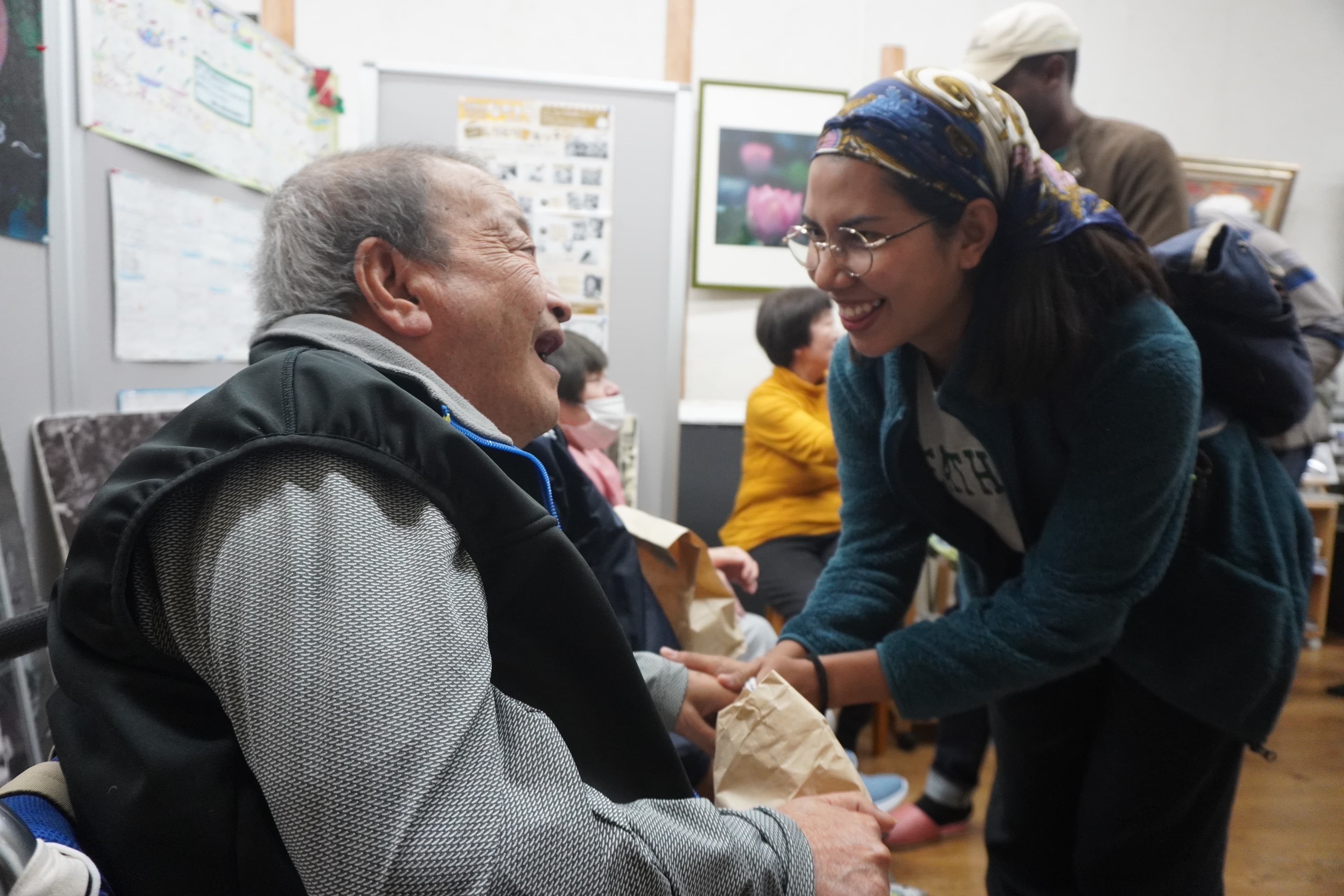
The video also shows participants slicing cucumbers and preparing a large pot as part of hands-on training on campus. Please take a look at how carefully our participants work through each step together.
[Campus Live Report ― Why Food Processing at ARI? We Asked Graduate Staff Member Nick]
Through this kind of hands-on learning, ARI's rural community leaders build the ability to change life in their communities with their own hands after they return home.
"Fuel for 1 Student to Travel 1 Day to the Field"
¥1,000
Fuel support to move the minibus 25 km forward (or parking fees/miscellaneous costs for safe parking and rest stops).
Fuel cost (¥40/km) × 25 km. An accessible tier that directly supports a student’s daily travel, as well as safe parking and rest during the journey.
"Safe Infrastructure Support for the 3,000 km Journey"
¥3,000
Highway toll and parking fee support for safe long-distance travel (or fuel costs for 75 km).
Covers 75 km worth of fuel or practical expenses needed to secure a safe driving environment (highways and parking facilities) throughout the trip.
"Highway Tolls for 1 Participant across the Entire 3,000 km Journey"
¥5,000
Highway toll fees for 1 participant to travel safely and on schedule to training sites across Western Japan.
By easing the physical strain of long-distance travel, this creates an environment where participants can focus 100% on their hands-on experiences and dialogue at each destination.
"Overnight Ferry & Warm Breakfast Support for 1 Participant"
¥10,000
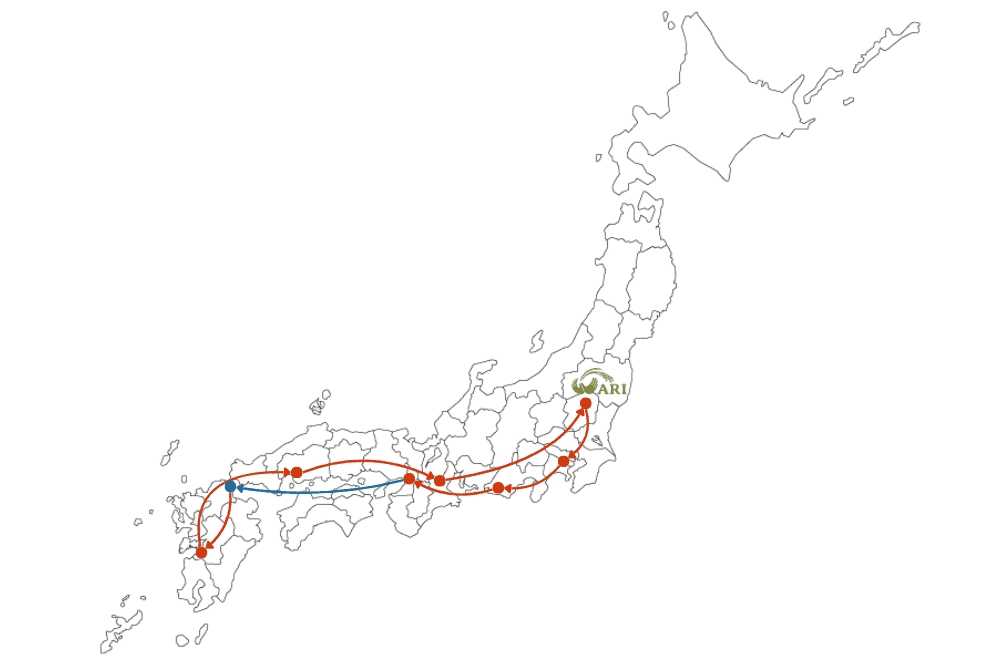
Ferry fare (bed accommodation) between Osaka and Moji plus breakfast for 1 participant.
Crucial support to help participants stay healthy and well-rested during long travel, ensuring they reach their next training site in peak condition.
"Microbus Rental Fee for 1 Day (A Mobile Learning Hub)"
¥30,000
Equivalent to approximately 1 day of vehicle rental out of the total ¥400,000 minibus rental cost.
Secures 1 day of a "classroom on wheels" where active discussion and reflection take place on the road, supporting meaningful growth and mutual inspiration among participants.
"Full Travel Expenses for 1 Participant to Complete the Western Japan Study Tour (3,000 km)"
¥50,000
All transportation costs for 1 student to complete the 3,000 km Western Japan Study Tour (bus rental portion, fuel, highway tolls, ferry, and parking fees).
Comprehensive support that backs the entire journey of a participant confronting real-world issues in the field and growing into a leader who transforms themselves to transform the world.
"1/4 of the Microbus Rental Cost Connecting Learning Sites Across Western Japan"
¥100,000
Covers 25% of the ¥400,000 total minibus rental cost.
This major support underpins the foundational infrastructure of the project, strongly sustaining the mobility essential for all participants to travel, learn, and connect across Western Japan.