Konnyaku Community : Agus’s Work in Indonesia
2026/9/18 08:11
During September, we are highlighting the global impact of ARI training through the work of our graduates.
This week, we share an activity report on Agus, a 2020 graduate from Indonesia, written by Steven Cutting of the ARI Graduate Outreach.
Konnyaku* Community
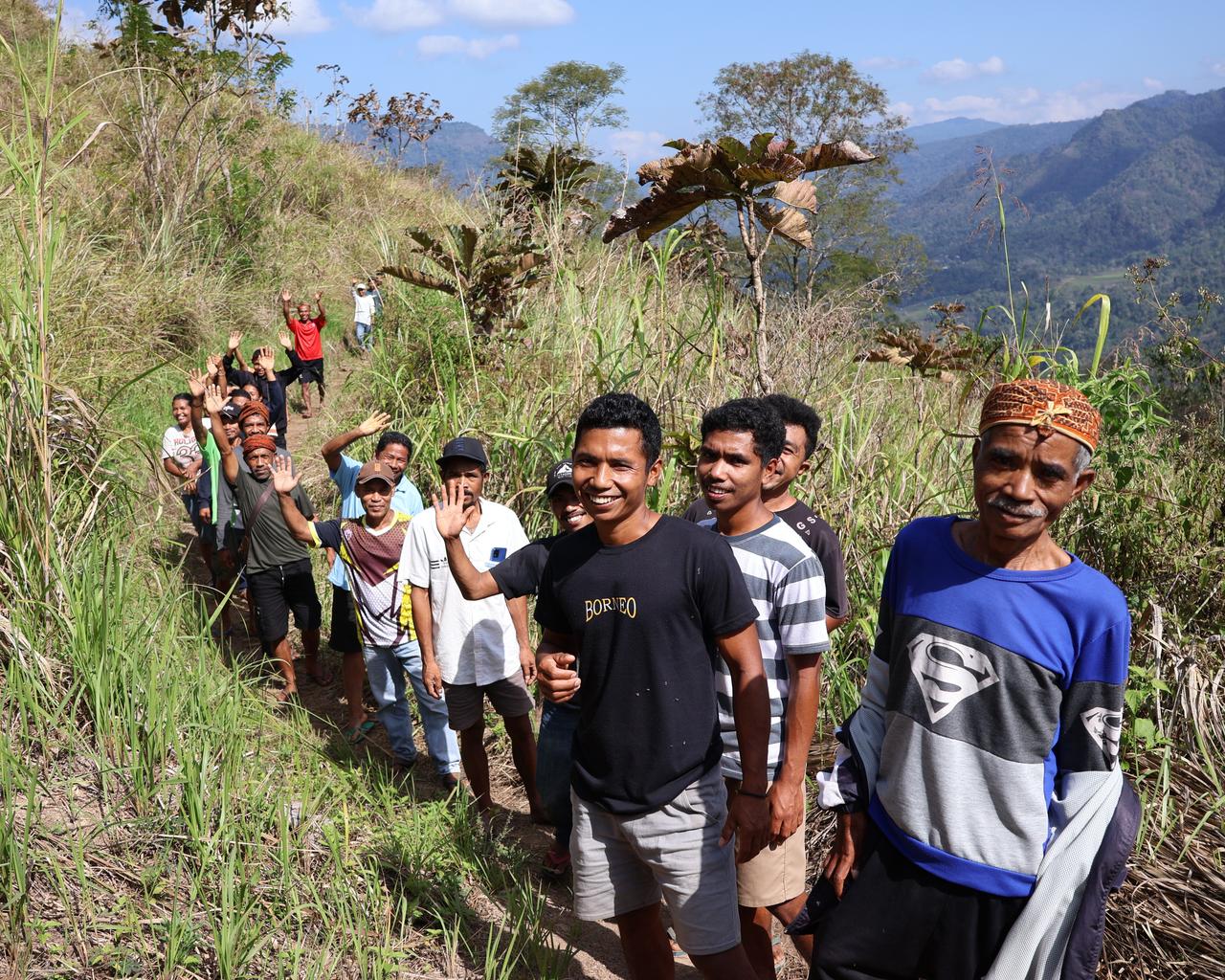
They call him Agus konnyaku, because it is by konnyaku that he is building a community deep in the mountains of the Manggarai Region of Flores Island, Indonesia. Before he went to ARI, he was planting trees – thousands of them – and teaching others how to plant them. At ARI, he experienced living in a community that works caringly for the earth, for their food, and for each other, and this opened a new vision in him. He wanted to create such a community in Indonesia.
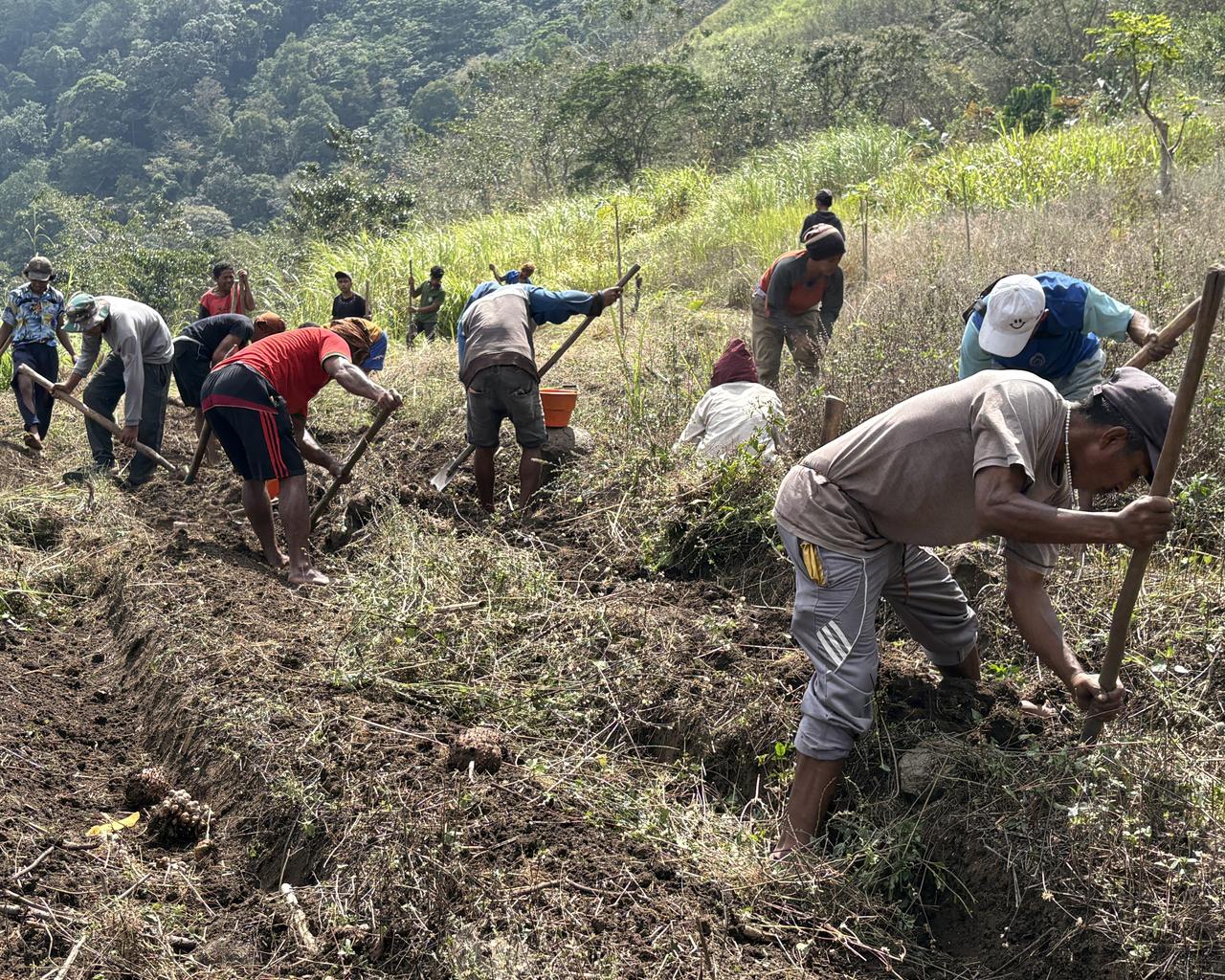
Konnyaku grows wild in the forests of Flores Island. All you need to do is dig it up, propagate it, and care for it until it reaches 7 kilograms. Though it is not eaten locally, it can be processed and sold to Japan and other places. This creates much needed income, which supports the lives of the people.
However, while it is konnyaku that brings this community together, it is not konnyaku that holds them together. Agus focuses on nourishing the spirit as well as the body, because one cannot be complete without the other. The konnyaku provides money to meet their physical needs, but their real strength lies in their strong bonds of faith, care, and working hard together. This is why they have named themselves Apicasi, which means love or dedication.
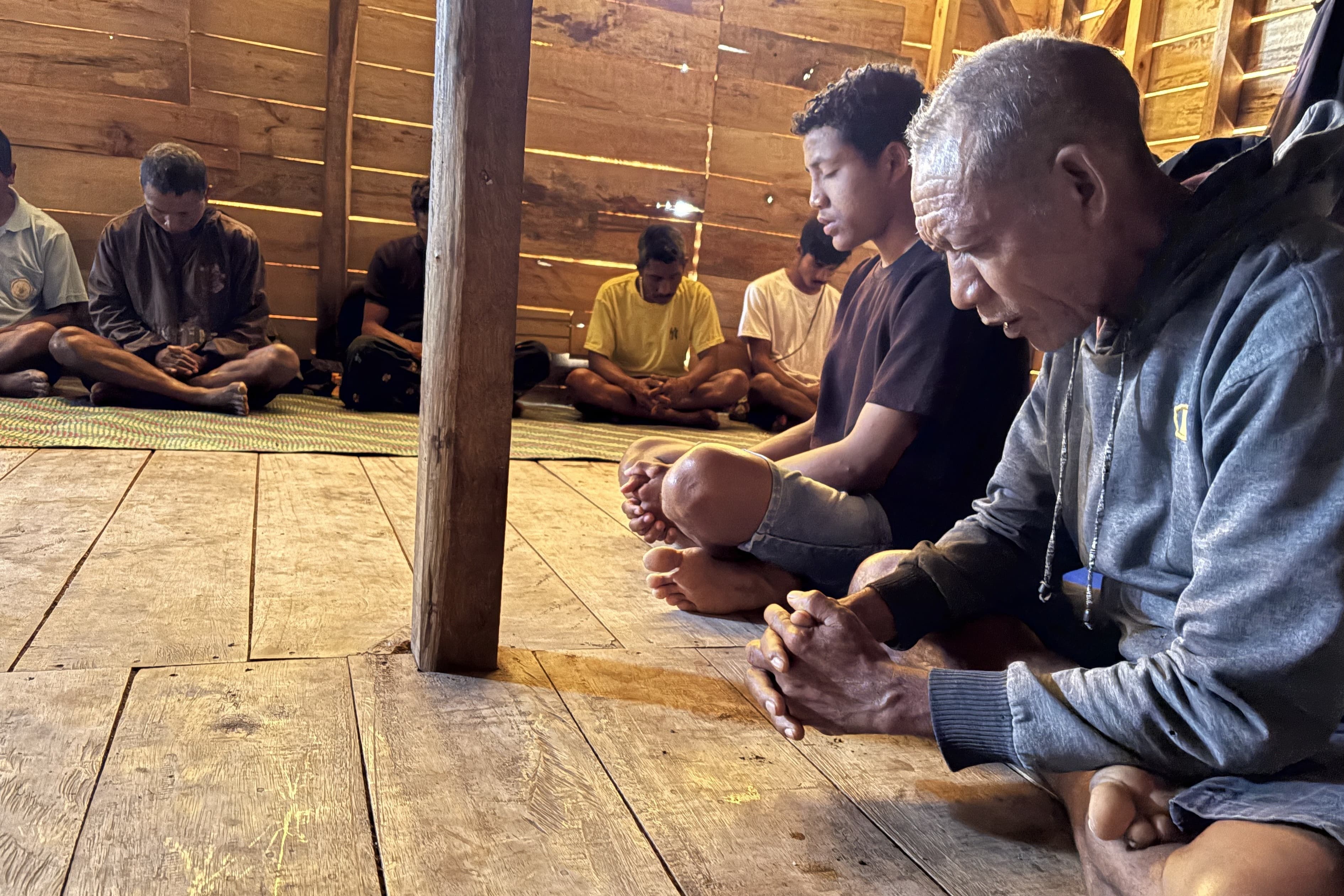
The group numbers about 60, from 12 families, from all over Flores. They stay in one big house and every morning go out to cultivate konnyaku. Once a week they build and maintain the long road to their mountain home. One member describes their life as, “Every day, we pray, pray, pray, and work, work, work – together.” With much hope, they are waiting for their first big harvest in 2027.
Agus is a man cut from a different cloth. He himself doesn’t care about money, but understands the importance of the konnyaku profits to the people. He thinks deeply about the true value of life, and talks with the community about these things late into the night. Yet, he doesn’t expect them to agree with him, or even follow him as any kind of leader. Everyone has their own free will, and it is by their decision alone to be a part of this group.
But stay, they do. They have found something meaningful, something inspiring, here. One member explained that he came to the group only to learn about konnyaku, but discovered a “spirit of life from the inside.” Another, said that before joining he had lost his way, but here he found a new spirit. To this another added that Agus keeps them mindful of how they live and work, and to open themselves for God to work through them.
Some might pull a konnyaku out of the ground and see only a dirt-covered, slightly misshapen bulb, but Agus sees it as a root to a thriving community – a konnyaku community.
Agustinus Adil (Agus), 2020 Graduate
Text and photos by Steven Cutting, ARI Graduate Outreach Coordinator
*Konnyak is a perennial plant native to tropical and subtropical East Asia, belonging to the Araceae (arum) family. It is also commonly known as elephant yam, konjac potato, or voodoo lily.
🚌Thank you so much for supporting our Campaign!
We are taking on our final goal until the end of September🙌
Give 22 Rural Community Leaders from Around the World a Chance to Learn from "Pain and Rebirth"!
世界の農村コミュニティリーダー22名に「痛みと再生」を学ぶチャンスを!あなたの寄付が隣人とやさしく生きる世界を作ります。
📱Check out our stories and reels!
We're highlighting words from our supporters and showcasing what our participants are learning on campus.
🌎 Learn about our Graduates' achievements – Click here for the official ARI Blog, "Rural Leaders":
Konnyaku Community | ARI Rural Leaders Blog
"Fuel for 1 Student to Travel 1 Day to the Field"
1,000円
Fuel support to move the minibus 25 km forward (or parking fees/miscellaneous costs for safe parking and rest stops).
Fuel cost (¥40/km) × 25 km. An accessible tier that directly supports a student’s daily travel, as well as safe parking and rest during the journey.
"Safe Infrastructure Support for the 3,000 km Journey"
3,000円
Highway toll and parking fee support for safe long-distance travel (or fuel costs for 75 km).
Covers 75 km worth of fuel or practical expenses needed to secure a safe driving environment (highways and parking facilities) throughout the trip.
"Highway Tolls for 1 Participant across the Entire 3,000 km Journey"
5,000円
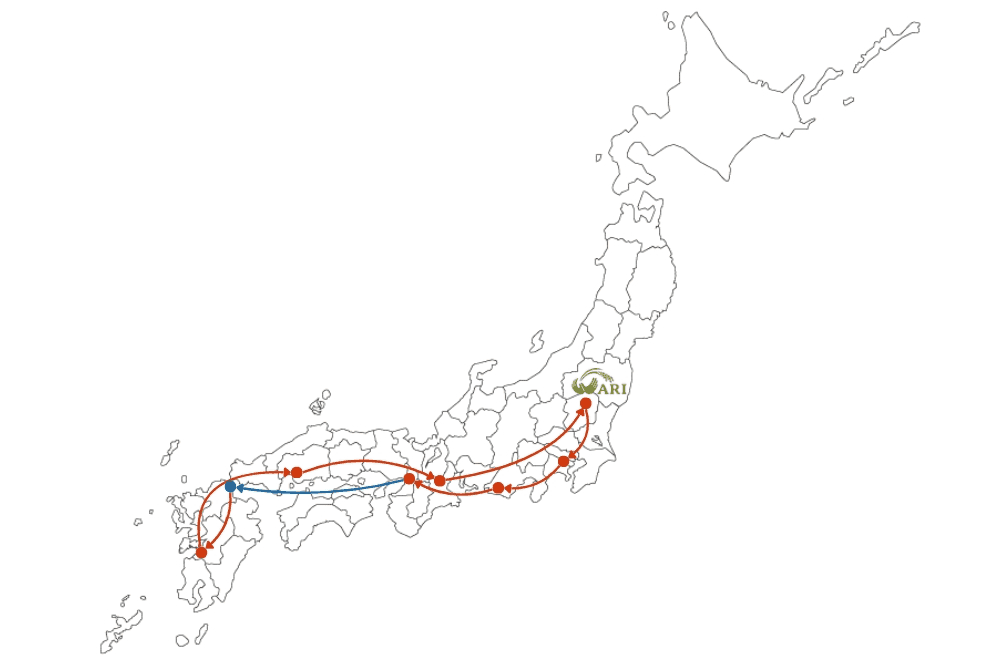
Highway toll fees for 1 participant to travel safely and on schedule to training sites across Western Japan.
By easing the physical strain of long-distance travel, this creates an environment where participants can focus 100% on their hands-on experiences and dialogue at each destination.
"Overnight Ferry & Warm Breakfast Support for 1 Participant"
10,000円
Ferry fare (bed accommodation) between Osaka and Moji plus breakfast for 1 participant.
Crucial support to help participants stay healthy and well-rested during long travel, ensuring they reach their next training site in peak condition.
"Microbus Rental Fee for 1 Day (A Mobile Learning Hub)"
30,000円
Equivalent to approximately 1 day of vehicle rental out of the total ¥400,000 minibus rental cost.
Secures 1 day of a "classroom on wheels" where active discussion and reflection take place on the road, supporting meaningful growth and mutual inspiration among participants.
"Full Travel Expenses for 1 Participant to Complete the Western Japan Study Tour (3,000 km)"
50,000円
All transportation costs for 1 student to complete the 3,000 km Western Japan Study Tour (bus rental portion, fuel, highway tolls, ferry, and parking fees).
Comprehensive support that backs the entire journey of a participant confronting real-world issues in the field and growing into a leader who transforms themselves to transform the world.
"1/4 of the Microbus Rental Cost Connecting Learning Sites Across Western Japan"
100,000円
Covers 25% of the ¥400,000 total minibus rental cost.
This major support underpins the foundational infrastructure of the project, strongly sustaining the mobility essential for all participants to travel, learn, and connect across Western Japan.