During September, we are highlighting the global impact of ARI training through the work of our graduates.
This week, we share an activity report on Mimi, a 2017 graduate from the Philippines, written by Steven Cutting of the ARI Graduate Outreach.
The Richness of this Community
Mimi: I have been serving this community for seven years, but for my own people, I have done nothing.
Job: If you want to do something for your community, go to ARI first, and then go to them.
Mimi: But I am afraid. I’m afraid to travel abroad.
Job: If you want to help your community, you should not be afraid.
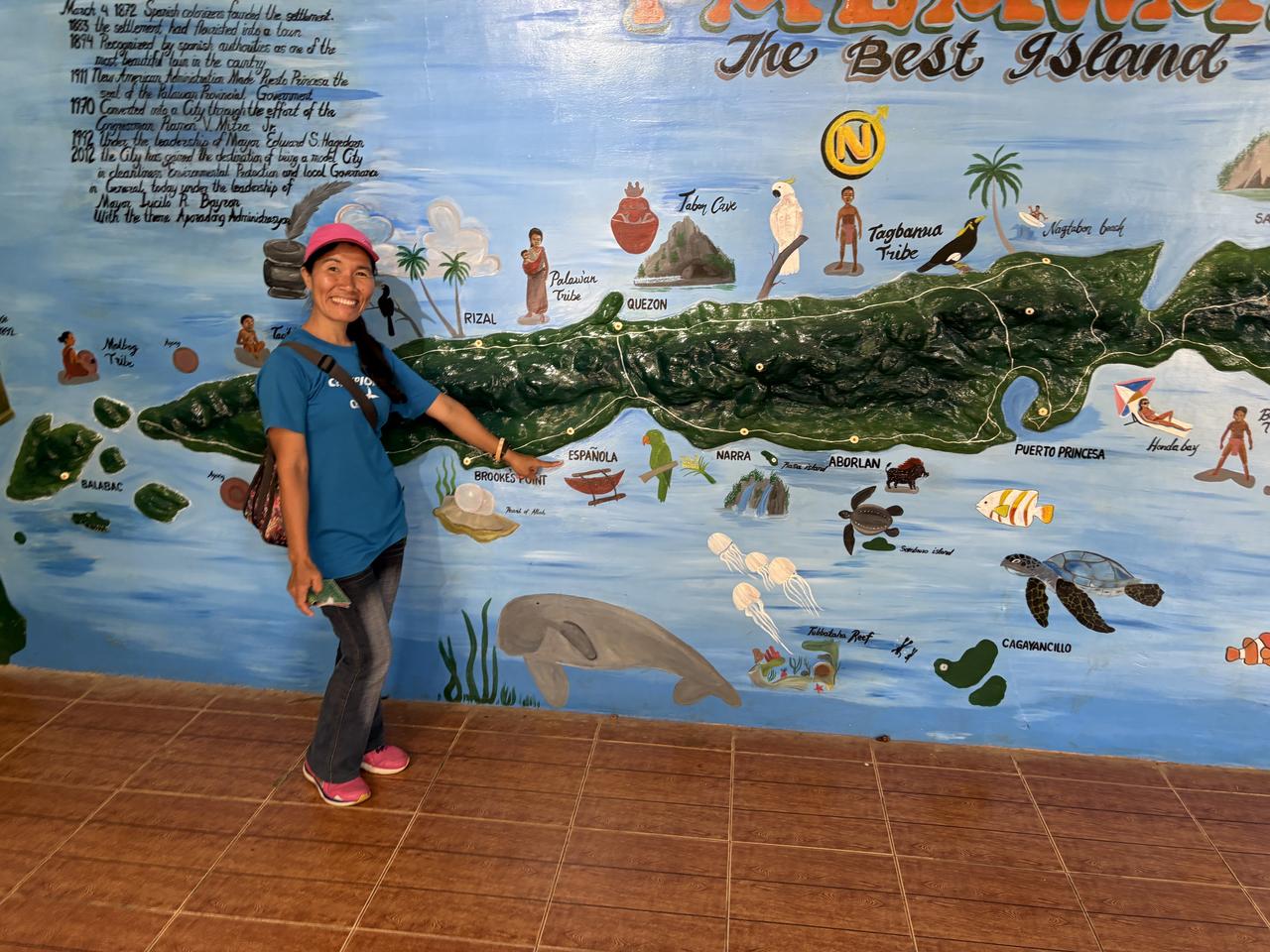
This conversation between two ARI Graduates took place about ten years ago. Job, a pastor and a 2015 ARI graduate, started a school for the indigenous people of Palawan Island in the Philippines in 2008. After 2 years, Mimi, a licensed teacher, joined him. The school grew quickly and soon children from all the surrounding villages were learning their letters and numbers and their own history. After 7 years, Mimi decided it was time to do something for her own community. This is the moment Job told her to go to ARI.
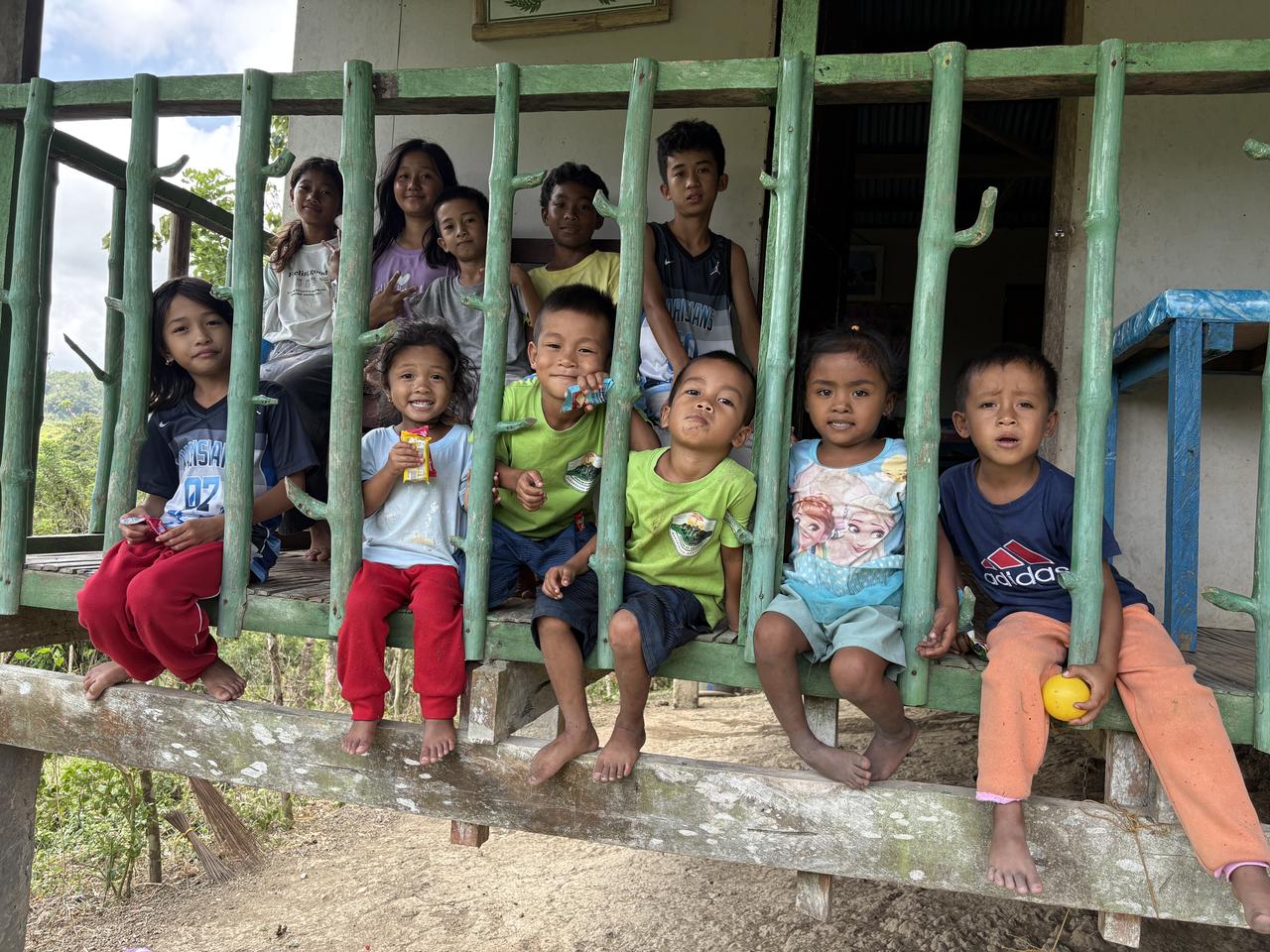
In 2018, after coming back from ARI, she opened a school inside her home in her Palawano village, starting with three children, three chickens, four goats, and two piglets. Those first 3 kids came from the local church. The animals were gifts, or purchased with the allowance money she saved at ARI.
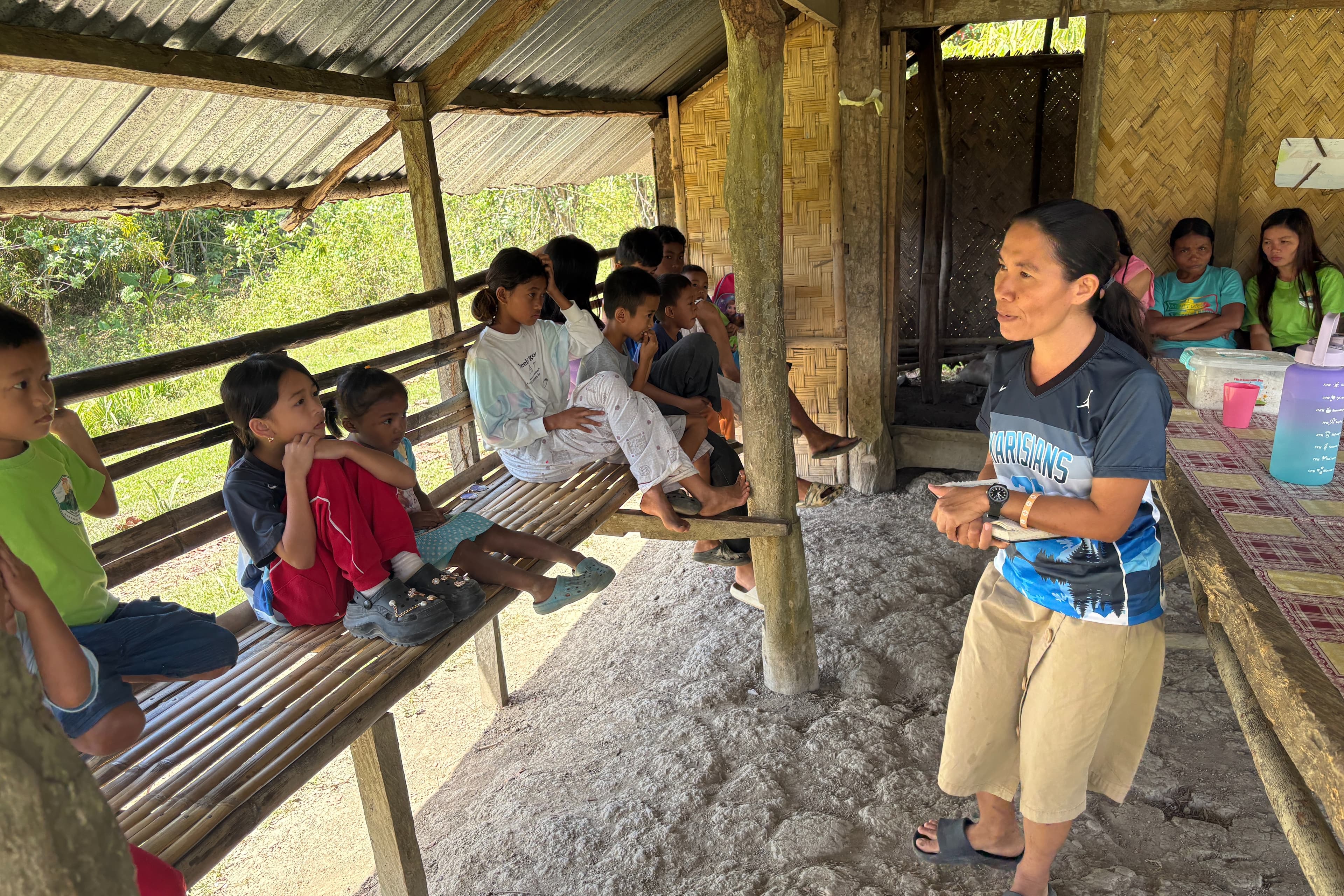
Today, you will find 11 students, over thirty goats, and uncountable chickens. The livestock are what fund the school, since she charges no fees. All that she knows about rearing them, and she does it expertly, using only local resources, she learned at ARI.
Last spring, Mimi took in 3 new kindergarten students and told me about them in a message. I would like to share it, because it gives a glimpse not only into the school, but into her heart.
“One is already nine years old, but never learned to read. His father asked for my help, so I accepted him and now he is enjoying classes with the little ones. Another one is six years old. Her mother died when she was a baby and her father is deaf and mute. I invited her to my school because I felt pity whenever she passed by with her father, so innocent and timid. The last one is three years old. He is the son of my former student, who came to me at the age of seventeen, illiterate, during the pandemic time. Within one year, he [the father] learned to read and write. I feel like I’m a grandmother now!”
Mimi’s dream for her community is simple, yet deep. It will take twenty years to reach, she estimates, or maybe her whole life. No words can describe it better than her own:
“I love my children, and in my school they learn the richness of our community. I want them to study hard so they can come back and help the community more. People say we are poor. We are not poor. We are poor only if we love the things we don’t have. Yet we don’t know how to take care of the things we already have. Here in the mountains, we have land. We have a lot of land and clean air and water and trees and livestock. We have so much, but we don’t know how rich we are. I want the children to know the richness of this life."
Emelinda Cuyang Ongcal, 2017 Graduate
Text and photos by Steven Cutting, ARI Graduate Outreach Coordinator
🚌Thank you so much for supporting our Campaign!
We are taking on our final goal until the end of September🙌
Give 22 Rural Community Leaders from Around the World a Chance to Learn from "Pain and Rebirth"!
世界の農村コミュニティリーダー22名に「痛みと再生」を学ぶチャンスを!あなたの寄付が隣人とやさしく生きる世界を作ります。
📱Check out our stories and reels!
We're highlighting words from our supporters and showcasing what our participants are learning on campus.
🌎 Learn about our Graduates' achievements – Click here for the official ARI Blog, "Rural Leaders":
The Richness of this Community | ARI Rural Leaders Blog
"Fuel for 1 Student to Travel 1 Day to the Field"
1,000円
Fuel support to move the minibus 25 km forward (or parking fees/miscellaneous costs for safe parking and rest stops).
Fuel cost (¥40/km) × 25 km. An accessible tier that directly supports a student’s daily travel, as well as safe parking and rest during the journey.
"Safe Infrastructure Support for the 3,000 km Journey"
3,000円
Highway toll and parking fee support for safe long-distance travel (or fuel costs for 75 km).
Covers 75 km worth of fuel or practical expenses needed to secure a safe driving environment (highways and parking facilities) throughout the trip.
"Highway Tolls for 1 Participant across the Entire 3,000 km Journey"
5,000円
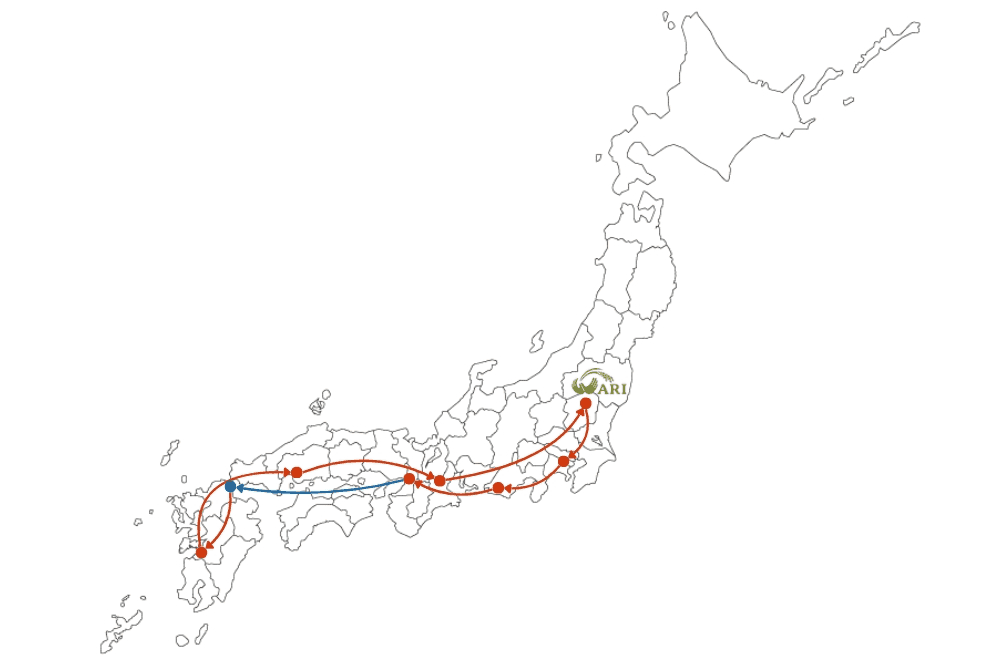
Highway toll fees for 1 participant to travel safely and on schedule to training sites across Western Japan.
By easing the physical strain of long-distance travel, this creates an environment where participants can focus 100% on their hands-on experiences and dialogue at each destination.
"Overnight Ferry & Warm Breakfast Support for 1 Participant"
10,000円
Ferry fare (bed accommodation) between Osaka and Moji plus breakfast for 1 participant.
Crucial support to help participants stay healthy and well-rested during long travel, ensuring they reach their next training site in peak condition.
"Microbus Rental Fee for 1 Day (A Mobile Learning Hub)"
30,000円
Equivalent to approximately 1 day of vehicle rental out of the total ¥400,000 minibus rental cost.
Secures 1 day of a "classroom on wheels" where active discussion and reflection take place on the road, supporting meaningful growth and mutual inspiration among participants.
"Full Travel Expenses for 1 Participant to Complete the Western Japan Study Tour (3,000 km)"
50,000円
All transportation costs for 1 student to complete the 3,000 km Western Japan Study Tour (bus rental portion, fuel, highway tolls, ferry, and parking fees).
Comprehensive support that backs the entire journey of a participant confronting real-world issues in the field and growing into a leader who transforms themselves to transform the world.
"1/4 of the Microbus Rental Cost Connecting Learning Sites Across Western Japan"
100,000円
Covers 25% of the ¥400,000 total minibus rental cost.
This major support underpins the foundational infrastructure of the project, strongly sustaining the mobility essential for all participants to travel, learn, and connect across Western Japan.